Complete Energy Optimization Guide for HVAC Systems
Air conditioning and refrigeration systems are essential for modern living and business operations. However, one of the most common complaints from users is high electricity consumption and rising energy bills.
Understanding why HVAC systems consume excessive energy can help improve efficiency, reduce costs, and extend equipment lifespan.
Frost Line Refrigeration & Air Conditioning Ltd provides professional HVAC installation and maintenance services that ensure systems run at optimal energy efficiency.
🔌 Main Reasons Air Conditioning Systems Use Too Much Energy
1. Dirty Air Filters
Clogged filters restrict airflow, forcing the system to work harder to cool the space.
Result:
- Higher energy usage
- Reduced cooling performance
- Increased system strain
2. Poor Maintenance
Lack of regular servicing leads to inefficient operation.
When components like coils, fans, and compressors are not cleaned or inspected, energy consumption increases significantly.
3. Low Refrigerant Levels
If refrigerant levels drop due to leakage, the system must run longer to achieve the desired temperature.
This causes:
- Longer operating cycles
- Higher electricity bills
- Reduced cooling efficiency
4. Old or Outdated Equipment
Older HVAC systems are far less energy-efficient compared to modern inverter-based systems.
They often:
- Consume more power
- Cool less effectively
- Require frequent repairs
5. Incorrect Thermostat Settings
Setting the thermostat too low (e.g., below 20°C) forces the system to run continuously.
6. Poor Insulation in the Building
Even a perfectly working HVAC system will struggle if cool air escapes through:
- Poor insulation
- Open windows
- Air leaks
🛠️ How to Improve HVAC Energy Efficiency
✔️ 1. Regular Maintenance Service
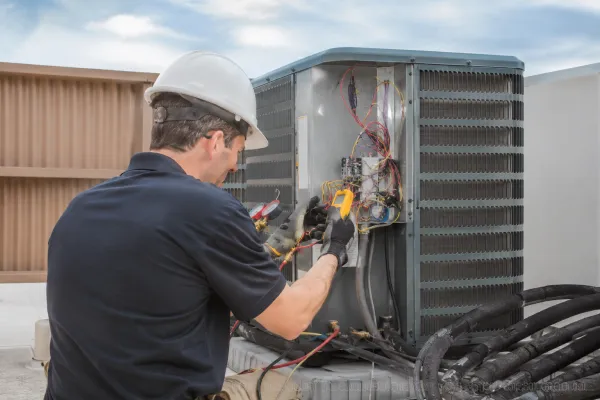
Professional servicing ensures all components work efficiently:
- Coil cleaning
- Electrical inspection
- Refrigerant checks
✔️ 2. Replace or Clean Air Filters Frequently
Filters should be cleaned or replaced every 1–3 months depending on usage conditions.
✔️ 3. Upgrade to Energy-Efficient Systems
Modern inverter air conditioners and smart HVAC systems can reduce energy consumption by up to 30–50%.
✔️ 4. Optimize Thermostat Settings
Recommended temperature range:
- 22°C to 25°C for comfort and efficiency
✔️ 5. Improve Building Insulation
Proper insulation helps maintain indoor temperature and reduces system workload.
✔️ 6. Schedule Professional Inspection
Technicians can detect hidden issues such as:
- Refrigerant leaks
- Weak compressors
- Electrical inefficiencies
🌱 Benefits of Energy-Efficient HVAC Systems
Improving efficiency leads to:
- Lower electricity bills
- Reduced environmental impact
- Longer equipment lifespan
- Better indoor comfort
- Fewer breakdowns
📌 When Should You Check Your System?
You should consider a professional inspection if:
- Your electricity bill increases suddenly
- Cooling performance decreases
- The system runs continuously
- You hear unusual noises